Ama Kutir – A Village Retreat in the Hills of Mayurbhanj

Sharing the fields, hills, and slow rhythms of my roots with the world.

  • Memories

    ~ Echoes of fields, fairs, and a river that flows on

    When I think back to my earliest winters in Jambani, my ancestral village, it is always around Makar Sankranti, the festival that marks both the end of harvest and the beginning of celebration. For farming families, it is the season of reward, when the land has given back and the villages turn festive.

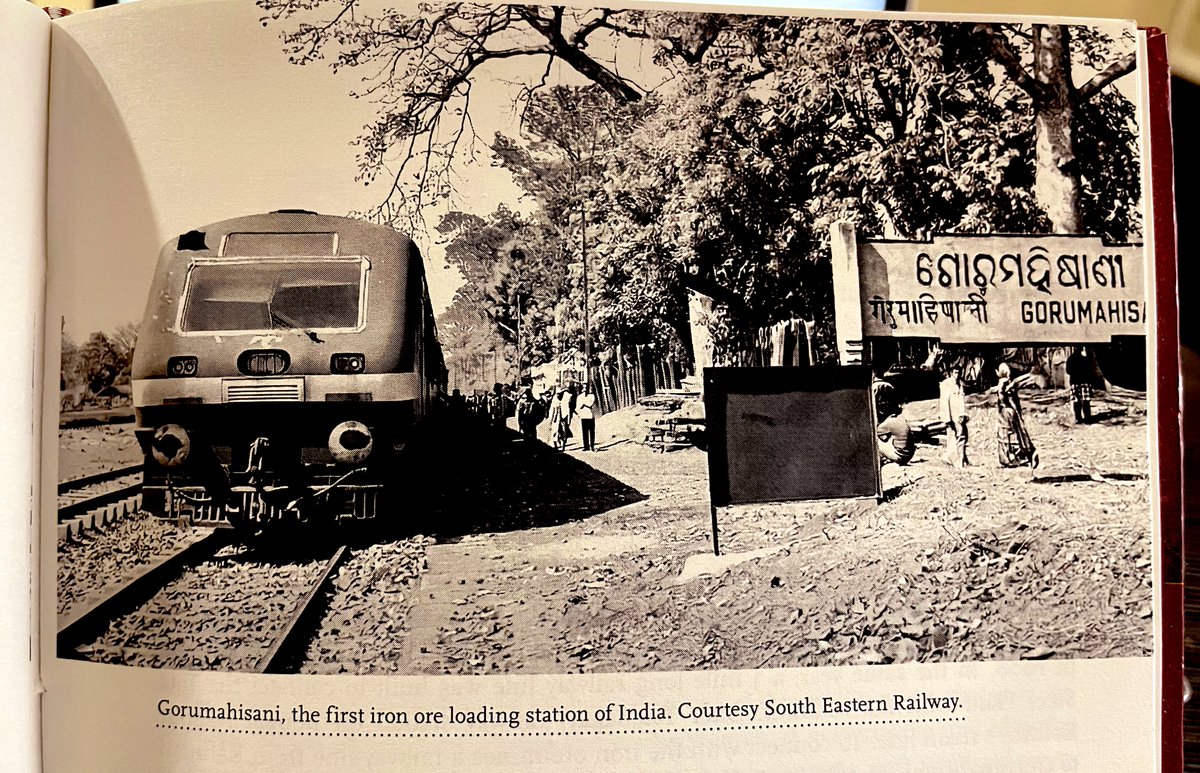
    We visited every winter until I was fifteen or sixteen. I still remember arriving at Gorumahisani railway station, a small dead-end line but one of the oldest in India, or sometimes stepping off the bus. From there the journey was only a few kilometres, but unforgettable. We would ride in a, our family owned, bullock or buffalo cart through golden fields of ripened paddy, the winter sun laying its soft glow on the land and we gently swaying by to sound of the pebbles under the wheel. Even now, thinking of those rides fills my heart with pleasure.

    The house we stayed in, our old ancestral house, was big, with mud walls, countless rooms, and a courtyard that echoed with every shout and laugh. On Sankranti eve, I would be wrapped in a blanket while village youths dove into the icy river before dawn, a Sankranti ritual followed since ages. Their joyous cries carried through the cold air, reaching me half-asleep and half-dreaming.

    One clear memory is the Tusu Porob mela on the riverbank. The river looked impossibly wide to my young eyes. Stalls lined its edges with toys, sweets, and small treasures. We spent hours in the winter sun, wandering and playing, clutching new toys as if they were fortune itself. The festival itself carries stories as old as the fields. Some say Tusu was once Tusumoni, a village girl whose beauty drew the wrath of a ruler. Unwilling to yield, she chose death in the river on Makar Sankranti. Each year, the immersion of the idol is said to echo that sacrifice, turning grief into song and song into festival. Others believe Tusu is no single person but the image of every maiden enduring the hardships of rural life, her joys and sorrows woven into the folk songs still sung today. Between legend and ritual, the mela remains a fair of colour, toys, and voices on the riverbank.

    And then there was the river itself, not mighty but deep enough to be our playground. Twice a day we went with cousins and village kids, clambering over rocks, diving into its cool waters, splashing for hours. I tried, unsuccessfully, to learn swimming there, my eyes red from staying in too long. The scoldings at home were certain, but so was the joy of the river. Even now it flows the same way, with wide grassy banks inviting an evening walk and a dip for old times’ sake.

    Winter afternoons belonged to the bagan, the garden across from our house with bamboo groves, vegetable rows, and tall stacks of hay. We cousins would leap off from heights that now make me shiver, perhaps fifteen feet or more, landing in soft straw and laughing. Cricket, marbles, endless running games: the bagan was our kingdom.

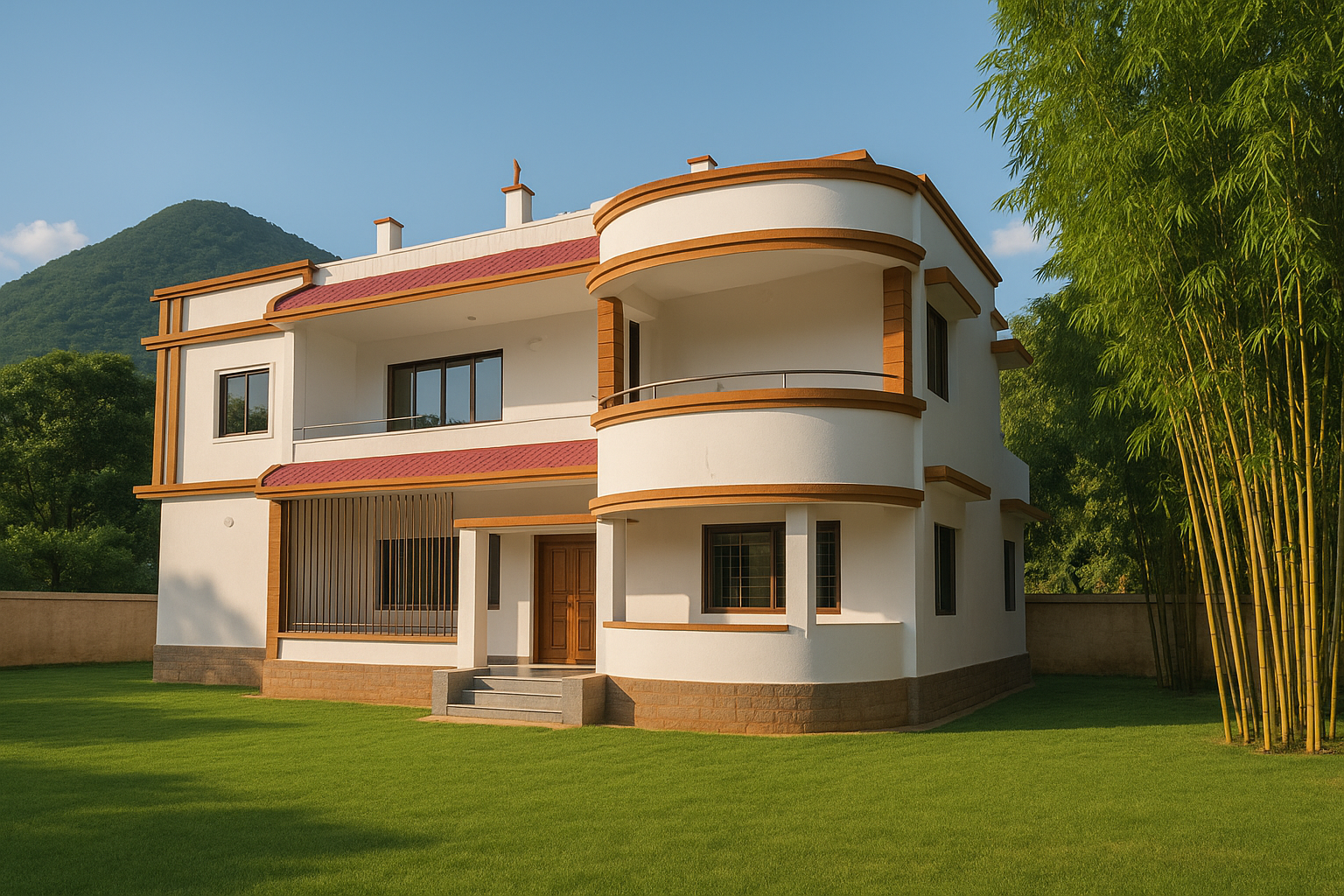
    That same bagan is now where Ama Kutir stands. The haystacks are gone, but the land still holds the sound of our laughter, the warmth of the afternoon sun, the taste of Sankranti.

    Life has its own way of circling back. Years and journeys may take us far, but some places keep calling, not with noise but with a quiet pull. For me, my village is that place. In returning, I have not just come home, I have found again the simple ground where memory and identity meet.

    Here, the fields still turn gold, the courtyard still echoes with childhood, and the river still flows.

    – Anubhav

    “For men may come and men may go,
    But I go on forever.”

    – Alfred Tennyson, The Brook
  • The Rhythm

    ~ Seasons at Ama Kutir

    Ama Kutir stands near Rairangpur, in northern Mayurbhanj, surrounded by 135 villages. One of them, Jambani, is my ancestral village and the home of Ama Kutir. This is a land that moves gently with the seasons. Forests, rivers, fields, and festivals follow their own rhythm here, a cycle as old as the hills.

    The ranges around Ama Kutir hold countless trails, some well-marked and leading to waterfalls, others vanishing into forests where the reward is a sudden, breathtaking view. Walk deep enough and you discover landscapes that remain unseen by most.

    The year begins with festivals that honor this rhythm. At the onset of monsoon, when the agricultural cycle starts, families gather for Rajo Sankranti: a celebration of Mother Earth (Bhudevi) as a menstruating goddess. It is as much about honoring nature’s bounty as it is about celebrating the feminine spirit.

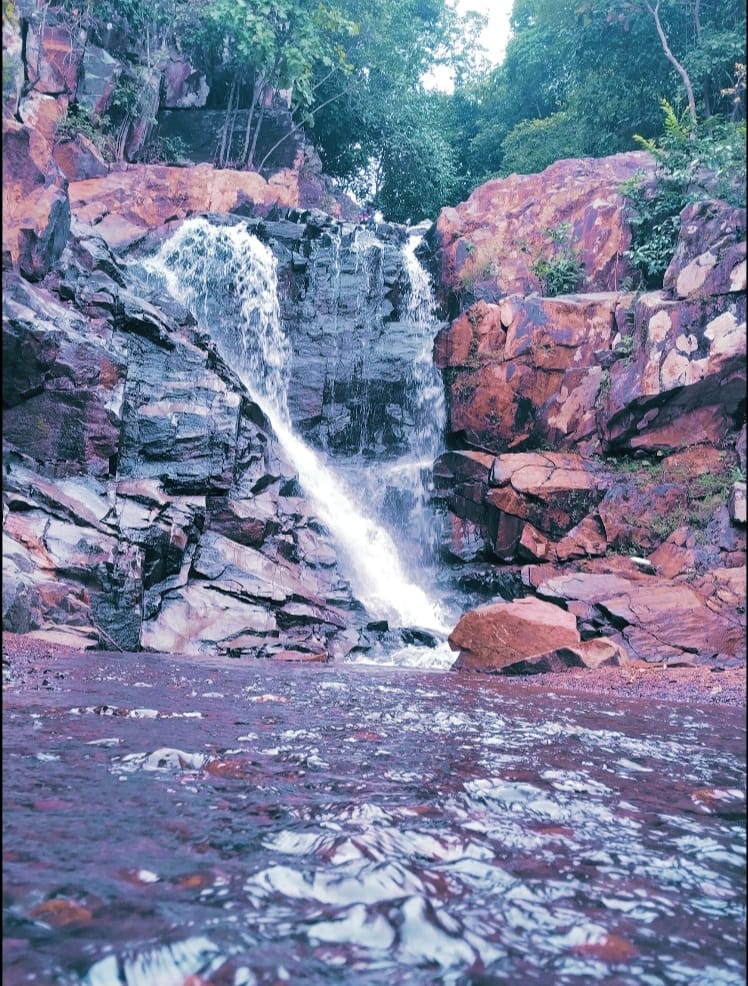
    When the rains arrive, the land exhales. Forests rustle awake, and waterfalls brim again. Asurghaty, barely twenty minutes from Ama Kutir, roars through its gorge, mist rising from the cliffs. Kandidhara, about fifty minutes away, falls in a sharp silver stream, its name echoing the blade it resembles. Innumerable smaller cascades thread the green cover during these wet months. By winter, they quieten, their pools becoming gathering places for festive-season picnics. For locals, the waterfalls are calendars: they announce the rains, the filling of fields, and the season of winter feasts.

    The rivers too follow this rhythm. In July they swell, in autumn they shimmer at dusk, and in summer they shrink to playful trickles where children bathe and cattle rest. They feed fields that turn from watery mirrors to green waves to golden harvests. Life here is measured by crops, cattle and festivals: Sohrai (festival honoring cattles), with its painted walls; Makar Sankranti, leading into Mage Porob with song and dance; and the weekly haats, whose energy rises and falls with the season.

    Even the forests carry their own cycle. In spring the Simuli trees burn red with flowers. In summer, mahua drops sweet on the forest floor. Sacred groves, which the forest and fields have, hold rituals that remind us that generations have come and gone and nothing here is static, everything moves with time.

    For travellers, Ama Kutir is not about fixed sights but about entering this rhythm. To stand by Asurghaty in the rains, to walk a field at dusk, to sit beside a river in October; these are not attractions, but moments of quiet that belong to the land’s own calendar.

    At Ama Kutir, this rhythm is home. We do not offer spectacle; we offer a window into peace, the kind that comes when waterfalls, rivers, forests, and festivals are seen not as separate things, but as one living whole.

    – Anubhav

    “Here dawn breaks with temple bells,
    the fragrance of flowers fills the breeze,
    villages wake to simple joys,
    and life flows in rhythm with the seasons.”

  • Mayurbhanj: The Hidden Kingdom of Forests and Hills

    Ama Kutir (Our House) aims to be a quiet retreat and a first-hand experience of village life, wrapped in comfort, for the modern urban traveller and families. But no kutir exists in isolation as it draws its meaning from the land around it. And here, that land is Mayurbhanj, Odisha’s hidden kingdom.

    The name itself carries a legend. The Bhanja dynasty, rulers of this region for centuries, trace their origin to the eyes of a peacock. Even today, Mayurbhanj’s identity flows from this symbol: “Mayur” for peacock, “Bhanj” for the dynasty.

    Spread across 10,418 square kilometers, Mayurbhanj is Odisha’s largest district. It is also the northernmost district of the state, landlocked between Jharkhand and West Bengal. Nearly half of it remains under forests where you can expect sal groves that rustle in the wind, rivers that shimmer at dusk, scenic harvesting fields and waterfalls like Barehipani and Joranda that thunder down ancient cliffs.

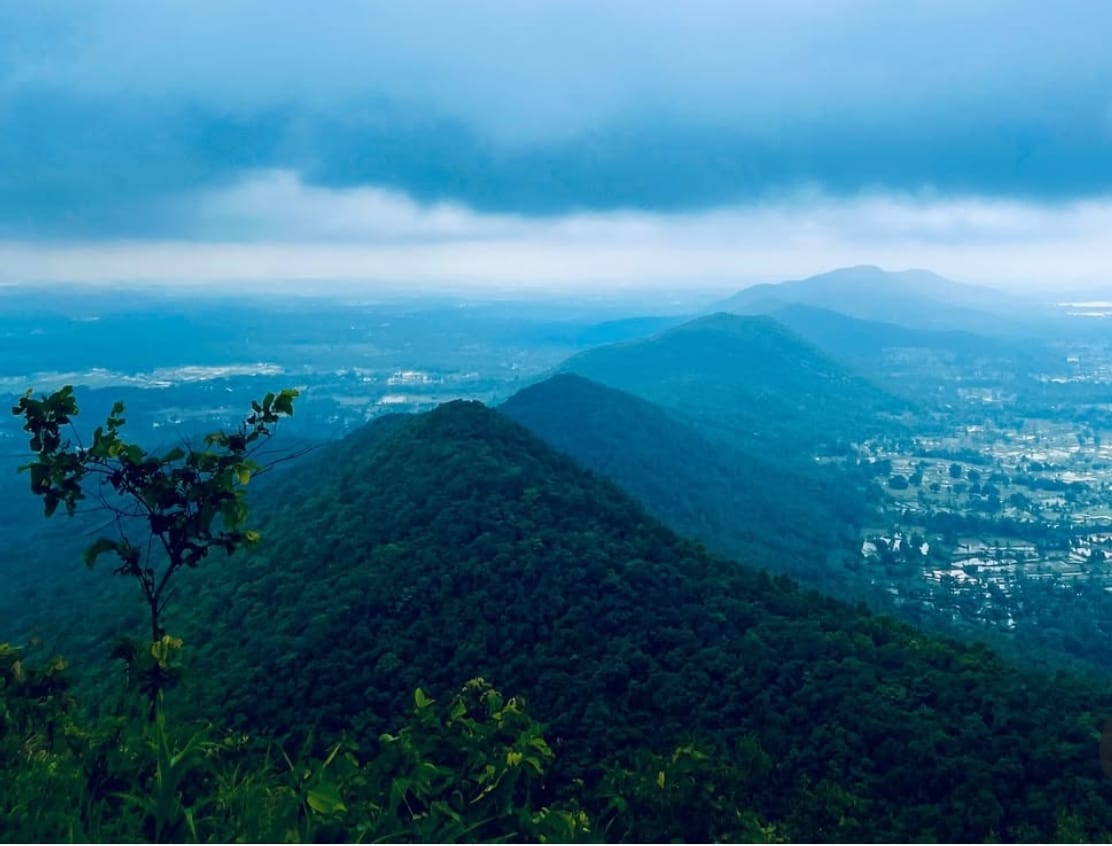
    Most people don’t realize that Mayurbhanj isn’t just about Simlipal forest and Tiger reserve but also full of numerous small mountain ranges. Rairangpur subdivision, where Ama Kutir is located, sits framed by such hills. The Gorumahisani Range, home to numerous waterfalls and verdant trek routes with scenic views, powered Tata Steel’s furnaces and shaped India’s industrial dream historically. Just next to it rises the Babni Range (in pic), a softer face of Mayurbhanj’s mountains, where in the monsoon clouds brush green valleys and the view stretches endlessly across smaller hills below. One range speaks of history, the other of beauty; together they remind us how deeply layered this land is.

    The cultural heartbeat of Mayurbhanj echoes in its villages, where Chhau dance was born; a fierce blend of martial arts, acrobatics, and myth retold in movement. Today, this tradition stands honored as UNESCO Intangible Heritage. The same pulse carries into the black chlorite stone temples of Khiching, the dynasty’s ancient capital, where timeless deities still guard their shrines. Here, tribal traditions, royal legacies, and untamed landscapes live side by side; quietly, beyond the tourist gaze.

    Unlike Puri’s beaches or Konark’s Sun Temple, Mayurbhanj has remained outside Odisha’s spotlight. Yet in its forests and hills, in its myths and rhythms, it holds the essence of what Odisha today calls itself – India’s Best Kept Secret.

    And within this secret kingdom, in the landscapes of Rairangpur, lie the hills that changed the destiny of modern India. This is where our journey continues.

    – Anubhav

    अण्डजवंशप्रभवोऽयं आदिभञ्जो मयूरशुक्याः अण्डात् जातः, वसिष्ठऋषिणा पोषितः।” — 12th Century Inscription

    Transaltion: “This Ādi-Bhanja, of egg-born lineage, was born from the egg of a peahen, and was brought up by the sage Vasiṣṭha.”

  • Back to the Roots

    Ama Kutir – A Village Retreat (Coming Soon)

    When I began building this house in Jambani, Mayurbhanj, it was never meant to be a homestay. It was simply a way to go back to my roots, to reclaim ancestral land and let it come alive again.

    The house stands beside our old ancestral home near the ancient Gorumahisani mountain range. These hills are older than the Himalayas, still home to aboriginal communities and rivers that flow into our fields. Not very far from the house, a multi-crop plantation project is also planned, so that farming once again becomes part of our family story.

    But as the house began to rise, I felt something deeper. The calm of village life – with bamboo groves swaying nearby, fields stretching into the horizon, and waterfalls tucked away in the hills – felt too special to keep only to ourselves

    As a traveler based in Delhi, my first escapes have always been to the hills. And whenever possible, I chose homestays over hotels simply because they carry warmth, authenticity, and belonging. When Ama Kutir began to take shape, I felt the same sense of comfort and serenity I’ve experienced at some of the best homestays across India.

    That is why I’ve decided to open it to the world, not as a resort, but as a village retreat where you can slow down, reconnect with nature, and experience rural authenticity with premium comfort.

    Here, you will find:

    • A brand new homestay built on ancestral land, beside our family’s ancestral home.
    • Slow mornings with tea on the verandah, fields, and river walks.
    • Hidden waterfalls and unexplored treks in the Gorumahisani and Babni ranges.
    • A chance to witness farming life and feel the rhythm of the land.
    • For adventurous souls → a day trip to Similipal Tiger Reserve, just 2.5 hours away.

    We are still adding the finishing touches, but Ama Kutir – A Village Retreat will be ready soon.

    Until then, this blog will share stories of the land – of rivers, mountains, fields, and the journey of shaping a retreat that honors the past while welcoming the future.

    Stay with us on this path. The doors will open soon.

    — Anubhav

    “All who wander are not lost” – J.R.R Tolkein